
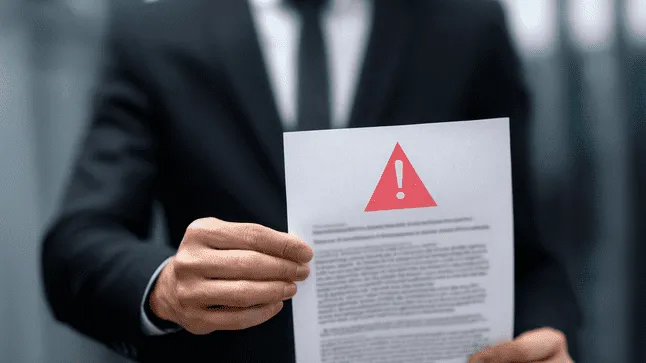
5 Red Flags That Your Staffing Agency’s Insurance Certificate May Be Fake
When your staffing agency hands you a Certificate of Insurance (COI), it should offer peace of mind—not a pathway to legal disaster. But in today’s era of increasing digital fraud, identity theft, and insurance premium fraud, even a single page can hide a dangerous lie.
If your staffing agency is handing you a fraudulent insurance certificate, you could be held liable under California Labor Code §3700.5 for any medical claims, lost wages, or lawsuits from injured workers—even if you weren’t aware.
How do you protect yourself? Start with these five red flags that the insurance certificate in your hands might be fake, and what you can do to stop fraud before it hits your business.

Red Flag #1: The Insurance Carrier Looks Suspicious
If the COI lists an insurance carrier you don’t recognize, or if the insurance agent is vague or unreachable, don’t take it at face value. Many fraud attempts in the staffing industry involve forged policies or shady providers.
With identity verification scams and SQL injection attacks on the rise, cybercriminals are now generating fake COIs using stolen personal information, Social Security numbers, and business details obtained from data breaches.
Fraud Detection Tip: Use the California Department of Insurance to verify that the listed carrier is licensed and active. Ask for direct confirmation from the insurance provider, not just the staffing agency.
Red Flag #2: Policy Details Don’t Align
Check the policy info, effective date, and expiration date. If they don’t match the project timeline—or look edited—that’s a major red flag. Some bad actors will use email spoofing or cloned PDFs to distribute ghost policies.
These fraud types often go unnoticed until there’s an injury… and a workers’ compensation claim lands on your desk.
Proactive Safeguards: Upload COIs to CheckMyCert.org for fraudulent COI detection. It’s fast, free, and confidential.
Red Flag #3: You’re Not Named on the Certificate
If your company isn’t listed as the certificate holder, and the COI uses vague terms like “To Whom It May Concern,” the document might not even apply to your job. It could also be a reused or shared COI—one of the most common forms of insurance premium fraud via piggybacking.
Fraud Guide Reminder: COIs should be custom-tailored. If your account information isn’t included, request a corrected version.
Red Flag #4: They Can’t Explain Their Policy
If the staffing agency can’t clearly explain who issued their workers' comp insurance, what the coverage limits are, or how it applies to your site, they’re likely hiding something. This is where weak internal controls and sketchy employee conduct often signal larger fraud schemes.
Even worse, if your partner avoids questions or changes the subject, they may be hoping you don’t notice until it’s too late.
Fraud Hotline Tip: Trust your instincts. Report suspected fraud or non-compliance to the appropriate Office of Inspector General, Fraud Examiners, or via a fraud hotline.
Red Flag #5: You’re Pressured to Skip Verification
If they pressure you to “just accept it” and not run it through a system like CheckMyCert.org, be alarmed. In today’s world of online banking, Payments Fraud, and even Mortgage fraud and deed fraud, it’s never been more important to follow strict security practices.
These internal audit weaknesses are exactly what cybercriminals look for when targeting small businesses, credit unions, or mortgage servicers.
Why Verifying a COI Is More Than Just a Best Practice
In this age of fraud trends and evolving cyber threats, it’s not just about protecting your payroll—it’s about protecting consumers, clients, and your own company.
A fake COI can lead to:
Denied medical treatment claims
Direct hits to your credit report and credit score (if legal action impacts financials)
Fines from insurance audits and the State Fund
A tainted reputation in the insurance industry
How to Stay Protected with CheckMyCert
✅ Upload any staffing COI to CheckMyCert.org
✅ Get instant, confidential fraud detection
✅ Use it as part of your Fraud Policy and risk management strategy
Whether you're guarding against Deposit Account Fraud, payment information theft, or passkey technology scams, CheckMyCert.org is your best frontline defense.
Fraud is evolving and so should your protection plan. Don’t wait for a lawsuit, a failed audit, or a data breach to expose your company.
Take Action Now
🔍 Verify every COI through CheckMyCert.org
🛡️ Strengthen your fraud defenses with real-time insights
📞 Contact us for support or to report suspicious activity
Because it’s not just about a certificate—it’s about trust, liability, and staying one step ahead.
